

Master the Art of Capturing Underwater Scenes + Composition Tricks
Underwater photography offers a unique opportunity to capture the beauty of the underwater world. Whether you are snorkeling in shallow waters or diving into the deep sea, mastering the art of capturing underwater scenes can result in stunning images. To help you elevate your underwater photography skills, here are some composition tricks to keep in mind:
1. Use Natural Light to Your Advantage
Light behaves differently underwater compared to on land. As you descend, the water filters out different colors, with reds and oranges being the first to disappear. To make the most of natural light, shoot during the golden hours - early morning or late afternoon - when the sunlight creates a warm, soft glow underwater.
2. Get Close to Your Subject
Water reduces contrast and sharpness in images, so it's essential to get as close to your subject as possible. This not only eliminates water particles between you and the subject but also adds more detail and color to your shot.
3. Mind Your Background
A cluttered background can distract from your subject. Look for clean backgrounds or use a wide aperture to blur the background, emphasizing your subject and creating a more visually appealing image.
4. Experiment with Angles
Don't be afraid to experiment with different angles to add interest to your photos. Shoot from below looking up, or try a top-down perspective to create dynamic compositions that stand out.
5. Incorporate Leading Lines
Leading lines can help guide the viewer's eye through the image, creating a sense of depth and movement. Use natural elements like coral reefs, rock formations, or even the patterns on a fish's body to lead the viewer's gaze to your subject.
6. Patience is Key
Underwater photography requires patience. Marine life can be unpredictable, so take your time to observe your subjects and anticipate their movements to capture that perfect shot.
7. Post-Processing is Your Friend
Editing is an essential part of underwater photography. Adjusting colors, contrast, and exposure can help enhance your images and bring out the beauty of the underwater world. Experiment with different editing techniques to make your photos pop.
8. Practice, Practice, Practice
Like any other form of photography, underwater photography takes practice. Don't get discouraged by initial failures; instead, learn from them and keep honing your skills to master the art of capturing underwater scenes.
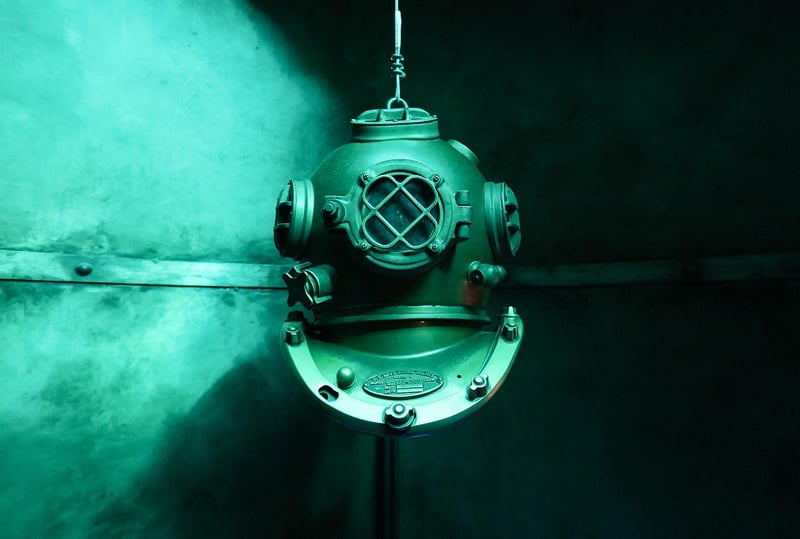
By incorporating these composition tricks and tips into your underwater photography workflow, you can elevate your images and capture the mesmerizing beauty of the underwater world. So grab your camera, dive in, and start creating stunning underwater masterpieces!